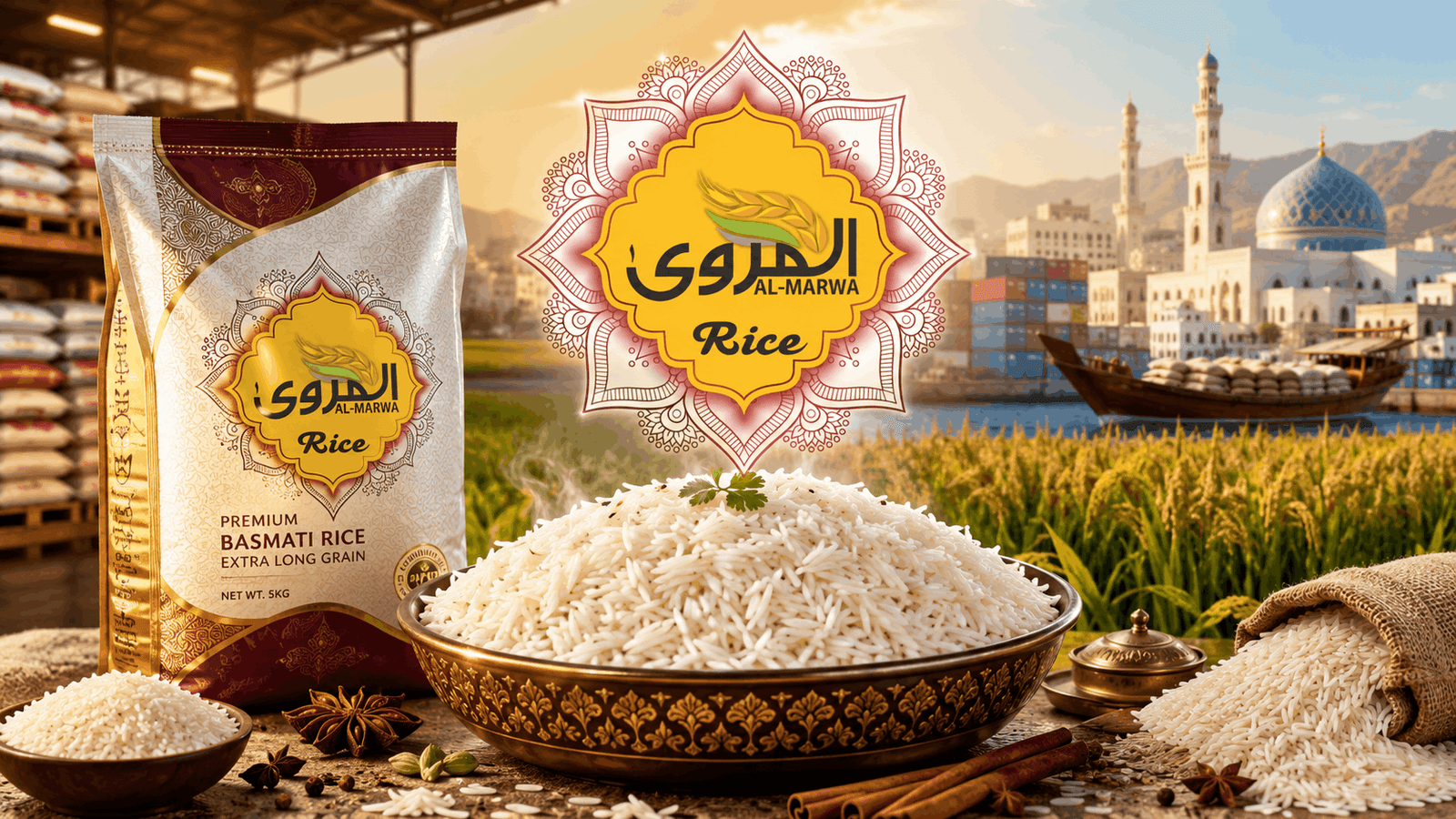
Rice is more than a staple food. For millions of households and thousands of businesses across Oman and the GCC, it is an essential ingredient that influences customer satisfaction, menu quality, and purchasing decisions. Whether served as fragrant biryani, elegant mandi, flavorful kabsa, or simple steamed rice, the final dish depends greatly on the quality and characteristics of the rice itself.
Among the many varieties available in the international market, longest grain rice has earned a strong reputation for its exceptional cooking performance, elegant appearance, and versatility. Its extra-long kernels, fluffy texture, and impressive grain elongation after cooking make it a preferred choice for restaurants, hotels, caterers, retailers, and food distributors looking to deliver premium dining experiences.
For importers and wholesalers, selecting the right rice is about much more than appearance. It involves understanding grain length, milling quality, moisture levels, aging, aroma, consistency, packaging standards, and supplier reliability. These factors directly influence customer satisfaction, repeat purchases, and long-term business growth.
As a trusted supplier of premium Pakistani rice, Al Marwa Rice works closely with international buyers by providing carefully selected rice varieties that meet global quality expectations while supporting reliable export operations. Understanding what makes the longest grain rice special is the first step toward making informed purchasing decisions.
What Is Longest Grain Rice?
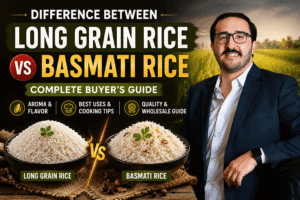
The term longest grain rice refers to rice varieties that naturally produce exceptionally long kernels, both before and after cooking. Unlike medium-grain or short-grain rice, these varieties maintain their individual shape, cook evenly, and remain separate rather than becoming sticky.
One of the reasons this type of rice is highly valued is its remarkable elongation during cooking. High-quality extra-long grains can increase significantly in length while retaining their slender appearance, creating an elegant presentation that appeals to both chefs and consumers.
Typical characteristics include:
- Extra-long slender grains
- Excellent cooking elongation
- Soft yet separate texture
- Low stickiness
- Attractive visual presentation
- Pleasant natural aroma (depending on the variety)
- High consumer acceptance
These qualities make longest grain rice suitable for premium foodservice operations and retail markets that prioritize both appearance and eating quality.
Why Grain Length Matters More Than Many Buyers Realize
When buyers compare different rice varieties, price often receives the most attention. However, experienced importers understand that grain length has a significant impact on overall product value.
Better Plate Presentation
Restaurants know that customers eat with their eyes before taking the first bite. Longer grains create an attractive presentation that enhances premium dishes.
A beautifully prepared biryani made with long, separate grains immediately communicates quality, while shorter grains can make the same dish appear heavier and less refined.
Improved Cooking Performance
High-quality longest grain rice generally offers:
- Better grain separation
- Reduced clumping
- Consistent cooking results
- Excellent texture retention
- Attractive serving appearance
These advantages become particularly important for commercial kitchens that prepare hundreds of meals every day.
Higher Customer Satisfaction
Consumers often associate long, elegant grains with premium quality.
This perception influences purchasing behavior in supermarkets, restaurants, and wholesale markets, making longest grain rice a preferred option across many international markets.
Characteristics of Premium Longest Grain Rice
Not every long-grain rice delivers the same experience. Premium-quality products share several important characteristics that distinguish them from lower-grade alternatives.
Grain Uniformity
Consistency is essential.
Professional buyers look for rice with uniform grain size because it cooks evenly and provides a consistent appearance throughout every package.
Uniform grains also improve processing efficiency during commercial cooking.
Excellent Elongation
One of the defining features of premium Pakistani rice is its ability to lengthen during cooking without becoming broken or sticky.
This elongation creates an elegant presentation that is especially appreciated in traditional Middle Eastern and South Asian cuisine.
Low Percentage of Broken Rice
Broken kernels reduce the visual appeal and can affect cooking consistency.
High-quality export rice generally maintains a low percentage of broken grains, resulting in:
- Better appearance
- More consistent cooking
- Higher market value
- Greater consumer confidence
Proper Aging
Well-aged rice often cooks better than freshly harvested rice.
The aging process can improve:
- Texture
- Grain separation
- Moisture balance
- Cooking stability
Professional buyers frequently prefer naturally aged rice because of these performance advantages.
Popular Uses of Longest Grain Rice
The versatility of longest grain rice explains why it has become one of the most widely traded rice categories worldwide.
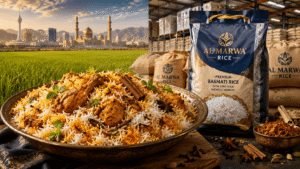
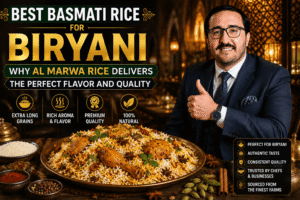
Premium Biryani
Few dishes showcase grain quality better than biryani.
Each grain should remain separate while absorbing the rich flavors of spices, herbs, meat, and stock.
The longer the grain, the more visually impressive the final dish becomes.
Mandi
Traditional mandi relies on beautifully cooked rice that complements slow-cooked meat.
The rice should be fluffy, light, and aromatic while maintaining its shape throughout serving.
Kabsa
Kabsa remains one of the most popular rice dishes throughout the GCC.
Its presentation depends heavily on long, elegant grains that absorb spices without becoming sticky.
Pilaf
Professional chefs often choose long-grain rice when preparing pilaf because it creates a light texture and refined presentation.
Buffet Catering
Large catering operations require rice that performs consistently across high-volume cooking.
Longest grain rice provides:
- Better holding quality
- Improved serving appearance
- Less clumping
- Easier portion control
Why Pakistani Long-Grain Rice Is Respected Worldwide
Pakistan has built an international reputation for producing premium long-grain rice thanks to its favorable climate, fertile soil, traditional farming knowledge, and advanced processing facilities.
Many buyers prefer Pakistani rice because it offers a combination of:
- Excellent grain length
- Attractive appearance
- Superior elongation
- Consistent quality
- Strong export capabilities
- Competitive value
These advantages have helped Pakistani rice establish a strong presence across Oman, the UAE, Saudi Arabia, Qatar, Kuwait, Bahrain, and many international markets.
Key Factors Importers Should Evaluate
Purchasing rice involves much more than comparing prices.
Experienced buyers evaluate numerous quality indicators before placing large orders.
Grain Length
Longer grains generally command higher market value because of their premium appearance.
Moisture Content
Proper moisture levels help preserve freshness during storage and international shipping.
Incorrect moisture can affect shelf life and cooking performance.
Milling Quality
Professional milling removes impurities while preserving grain integrity.
High milling standards contribute to:
- Cleaner appearance
- Better cooking
- Improved customer satisfaction
Packaging Quality
Export packaging protects rice throughout transportation and storage.
Reliable packaging reduces contamination risks while maintaining product freshness.
Supplier Consistency
Reliable suppliers provide consistent quality across every shipment, helping importers build long-term customer trust.
This consistency becomes especially valuable for supermarkets, food distributors, and hospitality businesses that rely on dependable inventory planning.
Longest Grain Rice vs Regular Long-Grain Rice
Although the terms are sometimes used interchangeably, there can be meaningful differences.
| Feature | Longest Grain Rice | Standard Long-Grain Rice |
|---|---|---|
| Grain Length | Extra long | Long |
| Cooking Appearance | Premium | Good |
| Elongation | Exceptional | Moderate |
| Presentation | Luxury dining | Everyday meals |
| Hospitality Use | Highly preferred | Common |
| Premium Retail | Strong demand | Moderate demand |
Understanding these differences helps businesses choose products that align with their target customers and pricing strategy.
Industries That Benefit from Longest Grain Rice
Demand extends far beyond household consumers.
Several industries rely on premium long-grain rice to maintain product quality and customer satisfaction.
Hotels
Luxury hotels require visually appealing rice for buffet presentations and fine dining experiences.
Restaurants
Restaurants serving biryani, mandi, kabsa, pulao, and grilled meat dishes often prefer longer grains to enhance both presentation and customer perception.
Catering Companies
Large-scale catering operations value consistency, cooking efficiency, and reliable texture.
Supermarkets
Retail customers increasingly recognize premium rice based on grain appearance, making longest grain varieties attractive for modern grocery shelves.
Food Manufacturers
Manufacturers producing ready-to-eat meals and frozen rice products often require consistent grain quality for large-scale production.
How Al Marwa Rice Supports International Buyers
Finding a dependable supplier is just as important as selecting the right rice variety.
International buyers need more than a product—they need a partner who understands export logistics, quality expectations, documentation requirements, and long-term consistency.
Al Marwa Rice supplies premium Pakistani rice to international markets with a focus on quality, reliability, and customer satisfaction. Every shipment is prepared with attention to grain selection, processing standards, packaging integrity, and export readiness.
Businesses sourcing rice for wholesale distribution, retail, hospitality, or food manufacturing benefit from working with a supplier that understands international trade requirements and the expectations of professional buyers.
Choosing a reliable supplier helps reduce procurement risks, maintain product consistency, and strengthen customer confidence across competitive markets.
Understanding Rice Quality Standards Before Importing
When sourcing longest grain rice for commercial use, quality should never be judged by grain length alone. Experienced importers know that true value comes from a combination of physical characteristics, processing standards, storage practices, and supplier reliability.
A shipment that looks impressive in sample form but performs inconsistently during cooking can lead to customer complaints, wasted inventory, and damaged business relationships. That’s why professional buyers evaluate rice using a complete set of quality indicators before placing large orders.
Grain Purity
Purity refers to how uniform the rice is throughout the shipment. Premium export-quality rice should contain minimal foreign matter and maintain a consistent grain profile.
Professional buyers typically look for:
- Uniform grain size
- Minimal broken grains
- Clean appearance
- Low percentage of chalky kernels
- Well-polished grains
- Free from stones and impurities
A high level of purity reflects careful processing and strict quality control.
Moisture Content
Moisture plays a crucial role in maintaining rice quality during storage and international transportation.
If moisture is too high, the rice may become vulnerable to spoilage during shipping. If it’s too low, cooking performance can be affected.
Professional exporters carefully monitor moisture levels to ensure rice reaches buyers in excellent condition.
Milling Standards
Modern milling technology helps preserve the integrity of every grain while producing a clean, premium appearance.
Proper milling contributes to:
- Better cooking consistency
- Longer shelf life
- Attractive packaging
- Improved consumer confidence
- Reduced waste
For importers supplying supermarkets or premium hospitality businesses, milling quality is often a major selling point.
The Role of Aging in Premium Longest Grain Rice
One factor that many consumers overlook—but experienced buyers appreciate—is rice aging.
Freshly harvested rice behaves differently from naturally aged rice.
During the aging process, moisture distribution within the grain changes gradually, improving cooking characteristics and texture.
Benefits of Naturally Aged Rice
Properly aged longest grain rice often delivers:
- Better grain separation
- Less stickiness
- Improved texture
- Enhanced cooking stability
- Attractive grain elongation
- More consistent results across different cooking methods
This is one reason many premium restaurants specifically request aged Pakistani rice for signature dishes.
Why Pakistani Longest Grain Rice Is Preferred in International Markets
Pakistan has developed a strong reputation for producing premium long-grain rice through generations of agricultural expertise.
Several natural advantages contribute to its quality.
Fertile Agricultural Land
Rich soil provides an ideal environment for cultivating premium rice varieties with excellent grain development.
Favorable Climate
The combination of sunshine, irrigation, seasonal rainfall, and temperature variations supports healthy crop growth.
Skilled Farmers
Rice farming knowledge has been passed down through generations, allowing growers to maintain high cultivation standards while adapting to modern agricultural practices.
Modern Processing Facilities
Today’s export-focused rice mills use advanced machinery for cleaning, grading, polishing, sorting, and packaging.
These improvements help deliver consistent quality that meets international buyer expectations.
Choosing the Right Longest Grain Rice for Different Business Types
Different industries have different requirements.
Selecting the right variety depends on how the rice will ultimately be used.
Restaurants
Restaurant owners typically prioritize:
- Beautiful grain appearance
- Excellent aroma
- Consistent cooking
- High elongation
- Easy preparation
- Attractive plating
Premium biryani restaurants especially depend on rice that remains separate after cooking.
Hotels
Luxury hotels serve guests with diverse culinary preferences.
They often require rice suitable for:
- Buffet service
- International cuisine
- Fine dining
- Banquets
- Room service
Consistency is essential because guests expect the same quality every time they visit.
Catering Companies
Large catering operations prepare hundreds—or even thousands—of meals daily.
For them, rice should offer:
- Uniform cooking
- Reliable texture
- Minimal breakage
- Good holding quality
- Easy large-batch preparation
These characteristics reduce kitchen stress and improve operational efficiency.
Supermarkets and Retail Chains
Retail customers frequently make purchasing decisions based on appearance.
Long, slender grains create a premium first impression.
Packaging also becomes an important factor because consumers associate attractive presentation with higher quality.
Retailers therefore look for suppliers capable of delivering:
- Consistent packaging
- Reliable supply
- Attractive grain quality
- Stable product availability
Food Manufacturers
Food manufacturers producing frozen meals, ready-to-eat dishes, or packaged rice products require consistency above all else.
Each production batch must perform identically to maintain product quality.
Reliable suppliers become valuable long-term partners because consistency directly affects manufacturing efficiency.
How Quality Control Protects International Buyers
Quality control begins long before rice reaches the export warehouse.
Professional suppliers implement inspection procedures throughout the production process.
These often include:
Farm-Level Monitoring
Monitoring cultivation practices helps ensure healthy crop development from the beginning.
Cleaning
Dust, husk fragments, stones, and other foreign materials are removed using specialized equipment.
Grading
Rice is classified according to size, quality, and appearance.
Uniform grading improves customer satisfaction.
Color Sorting
Advanced optical sorting systems remove discolored or defective grains.
This improves visual quality while maintaining consistency.
Packaging Inspection
Before shipment, packaging is checked to ensure proper sealing and labeling.
Well-packed rice remains protected throughout international transportation.
Packaging Options for Wholesale Buyers
Different businesses require different packaging formats.
A professional rice exporter should offer flexible solutions based on customer requirements.
Common export packaging includes:
- 1 kg retail bags
- 2 kg consumer packs
- 5 kg family packs
- 10 kg wholesale packs
- 20 kg commercial bags
- 25 kg export bags
- 40 kg bulk packaging
- 50 kg wholesale sacks
Custom private-label packaging may also be available for distributors looking to build their own retail brands.
This flexibility allows importers to target multiple customer segments with the same trusted supplier.
Export Logistics Matter as Much as Product Quality
Even premium rice can lose value if export logistics are poorly managed.
Professional exporters understand that timely delivery is critical for maintaining supply chains.
Reliable export operations typically include:
- Careful production planning
- Proper warehouse storage
- Export documentation
- Container loading supervision
- Shipment scheduling
- Communication throughout the export process
For international buyers, dependable logistics reduce uncertainty and support uninterrupted business operations.
Why Consistency Builds Long-Term Business Success
One successful shipment is valuable.
Consistent shipments over many years are far more important.
Businesses serving restaurants, supermarkets, and foodservice clients cannot afford fluctuations in product quality.
Customers quickly notice changes in:
- Grain size
- Cooking performance
- Aroma
- Appearance
- Texture
Maintaining consistency helps wholesalers strengthen customer loyalty while reducing complaints and product returns.
This is why many experienced importers establish long-term partnerships with suppliers rather than changing vendors based solely on price.
Why Businesses Choose Al Marwa Rice
International rice buyers need a supplier that understands both product quality and global trade requirements.
Al Marwa Rice focuses on supplying premium Pakistani rice that meets the expectations of importers, distributors, wholesalers, retailers, restaurants, hotels, and food manufacturers across Oman, the GCC, and international markets.
Businesses choose Al Marwa Rice because of its commitment to:
Premium Rice Selection
Every shipment begins with carefully selected rice varieties chosen for quality, consistency, and market demand.
Strict Quality Standards
Attention to grain uniformity, cleanliness, milling quality, and packaging helps ensure dependable products for commercial buyers.
Export Expertise
International shipments require careful coordination, documentation, and logistics. Al Marwa Rice understands the importance of delivering products efficiently while meeting export requirements.
Flexible Supply Solutions
Whether a buyer requires wholesale quantities, retail-ready packaging, or customized export solutions, flexibility helps support different business models and market needs.
Customer-Focused Partnership
Successful international trade is built on communication, reliability, and long-term relationships. Rather than focusing on one-time transactions, Al Marwa Rice works to become a trusted sourcing partner for businesses seeking dependable premium rice.
For importers looking to strengthen their product portfolio with high-quality longest grain rice, partnering with an experienced supplier can create lasting value—not only through product quality but also through consistent service and reliable supply.
The Future of Longest Grain Rice in Global Food Markets
Consumer expectations continue to evolve, and rice is no exception. Buyers today are more informed than ever before. They want products that combine premium quality, food safety, consistent performance, and reliable sourcing. This shift is creating new opportunities for suppliers that invest in quality assurance, sustainable practices, and long-term partnerships.
For businesses across Oman, the GCC, and international markets, longest grain rice is expected to remain one of the most sought-after categories because it meets the demands of both foodservice professionals and everyday consumers.
Several market trends are shaping the future of premium rice.
Growing Demand for Premium Dining Experiences
Restaurants and hotels are increasingly focusing on presentation as much as taste. Whether serving traditional biryani, mandi, kabsa, or international rice dishes, chefs prefer extra-long grains that create an elegant visual appeal and maintain excellent texture after cooking.
As the hospitality sector expands across the Middle East, demand for premium long-grain rice is likely to continue growing.
Increasing Preference for High-Quality Imported Rice
Consumers are paying closer attention to product quality rather than simply choosing the lowest-priced option.
This has encouraged retailers and wholesalers to source rice that offers:
- Superior grain appearance
- Consistent cooking performance
- Reliable quality
- Attractive packaging
- Trusted origin
Pakistani rice continues to be recognized in many international markets for delivering these characteristics.
Expansion of Private Label Opportunities
Many supermarkets and distributors are introducing their own branded food products.
Private-label rice has become an attractive business opportunity because it allows retailers to build customer loyalty while offering premium-quality products under their own brand.
Working with an experienced exporter that supports customized packaging and consistent supply can help businesses successfully develop their private-label product range.
Sustainability and Responsible Rice Sourcing
Modern buyers increasingly value suppliers that demonstrate responsible production practices.
Although purchasing decisions are still heavily influenced by quality and price, sustainability has become an important consideration for many importers.
Responsible sourcing may include:
- Efficient farming practices
- Careful water management
- Modern processing technology
- Hygienic production facilities
- Reduced product waste
- Safe storage conditions
- Compliance with international food safety standards
Choosing a supplier that prioritizes quality management throughout the supply chain helps businesses meet growing consumer expectations.
Building Long-Term Success Through Reliable Supply Partnerships
Successful rice importing is rarely about finding the cheapest supplier.
Instead, experienced buyers focus on building relationships with exporters who consistently deliver quality products and dependable service.
A strong supplier partnership offers several advantages:
- Stable product quality
- Predictable supply
- Better inventory planning
- Improved customer satisfaction
- Reduced operational risks
- Greater confidence when expanding into new markets
Over time, these benefits often contribute more to business growth than short-term cost savings.
Why Al Marwa Rice Is a Trusted Partner for International Buyers
Selecting the right supplier is one of the most important decisions an importer can make. Product quality influences customer satisfaction, but dependable service, consistent supply, and export expertise are equally valuable.
Al Marwa Rice is committed to supporting international buyers with premium Pakistani rice that meets the needs of wholesalers, distributors, retailers, restaurants, hotels, catering companies, and food manufacturers.
The company focuses on delivering value through:
Carefully Selected Premium Rice
Every shipment begins with quality-focused selection to ensure attractive grain appearance, excellent cooking performance, and consistency.
Professional Export Support
International trade requires accurate documentation, efficient logistics, and clear communication. Al Marwa Rice understands the importance of delivering products smoothly across global markets.
Consistent Quality
Consistency builds trust. Buyers can confidently serve their own customers when they know every shipment meets the same high standards.
Flexible Business Solutions
Different businesses have different requirements. Whether supplying bulk wholesale orders, retail-ready packaging, or customized private-label solutions, flexibility helps buyers respond to changing market demands.
Customer-First Approach
Long-term business relationships are built on transparency, reliability, and mutual success. Al Marwa Rice works closely with customers to understand their sourcing requirements and provide dependable support throughout the purchasing process.
For businesses looking to source premium longest grain rice, choosing a reliable export partner can help improve product quality, strengthen customer confidence, and support sustainable business growth.
Frequently Asked Questions About Longest Grain Rice
What is the longest grain rice?
Longest grain rice refers to rice varieties with exceptionally long, slender kernels that remain separate after cooking and often elongate significantly, making them ideal for premium dishes such as biryani, mandi, kabsa, and pilaf.
Is longest grain rice the same as Basmati rice?
Not always. While many premium Basmati varieties are among the longest grain rice options available, the term “longest grain rice” describes grain length rather than a specific variety. Some non-Basmati varieties also have long grains, but Basmati is especially valued for its aroma and elongation.
Why is longest grain rice preferred for biryani?
Its long grains remain fluffy and separate after cooking, absorb flavors effectively, and create the elegant presentation that premium biryani is known for.
How should longest grain rice be stored?
Store rice in a cool, dry place away from direct sunlight and moisture. Proper storage helps preserve freshness, cooking performance, and shelf life.
What industries commonly use longest grain rice?
It is widely used by:
- Restaurants
- Hotels
- Catering companies
- Rice importers
- Food manufacturers
- Supermarkets
- Retail chains
- Wholesale distributors
What should importers consider before purchasing longest grain rice?
Important factors include:
- Grain length and uniformity
- Moisture content
- Milling quality
- Percentage of broken grains
- Packaging standards
- Export capabilities
- Supplier consistency
- Food safety practices
Why is Pakistani longest grain rice popular worldwide?
Pakistani rice is appreciated for its naturally long grains, excellent elongation, attractive appearance, pleasant aroma in Basmati varieties, and reliable cooking performance, making it a preferred choice in many international markets.
Does Al Marwa Rice supply international buyers?
Yes. Al Marwa Rice supplies premium Pakistani rice to importers, wholesalers, distributors, retailers, hospitality businesses, and food manufacturers, with a focus on quality, consistency, and professional export support.
Conclusion
Choosing the right longest grain rice is about much more than selecting an attractive product. It is an investment in quality, customer satisfaction, and long-term business success. From elegant presentation and exceptional cooking performance to reliable supply and consistent quality, premium long-grain rice adds value at every stage of the supply chain.
Whether you are importing rice for supermarkets, supplying restaurants, managing a hotel, or distributing food products across Oman and the GCC, partnering with an experienced supplier can make a meaningful difference in your business operations.
With its commitment to premium Pakistani rice, strict quality standards, dependable export services, and customer-focused approach, Al Marwa Rice is well positioned to support businesses seeking a trusted source of high-quality rice for international markets. By prioritizing consistency, professionalism, and long-term relationships, Al Marwa Rice helps buyers deliver products their customers can rely on time after time.